Surfboard in Sand
A Surfer’s Dream on Fabric
As a designer who’s stitched everything from baby blankets to custom aprons, I’ve seen countless embroidery designs come and go. Surfboard in Sand caught my eye immediately—not just for its theme, but for the way it balances simplicity with detail. It feels like a piece of coastal art brought to life, ready to ride the waves of creativity in your next project.
The First Impression: A Coastal Mood
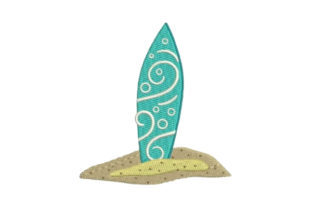
At first glance, Surfboard in Sand exudes a laid-back, beachy vibe that’s instantly relatable. The design is clean yet expressive, with a surfboard shape that’s both recognizable and stylized. The sand texture adds depth without overwhelming the main subject, creating a visual balance that’s easy on the eyes. It’s not too busy, but it still manages to convey movement and energy—perfect for someone who wants their embroidery to tell a story.
Real-Life Use Case: Custom Tote Bag Design
I imagine this design as the centerpiece of a custom tote bag for a small shop or Etsy seller targeting beach lovers. Imagine a hand-stitched surfboard sitting atop a textured sand pattern, all set against a light-colored fabric. The contrast between the bold lines of the board and the soft, flowing sand creates a dynamic composition that draws the eye. It would work well on a tote, cap, or even a baby blanket, offering versatility across multiple product types.
Performance in Real Embroidery Situations
When it comes to performance, Surfboard in Sand shows promise in several areas. Its layout is relatively open, which makes it suitable for a range of hoop sizes. However, I’d recommend testing it on scrap fabric first to ensure the stitching flows smoothly. The design includes a mix of satin stitch and running stitch, which are both reliable for most embroidery machines and fabrics.
One thing to consider is the use of thread colors. While the design itself is visually appealing, the choice of thread can make or break the final look. A bright, contrasting thread color will bring out the details, especially on lighter fabrics. On darker surfaces, the design might appear muted, so it’s worth experimenting with different thread options before committing to a finished product.
Where to Be Careful
Not every fabric is created equal, and some may pose challenges for Surfboard in Sand. Thin or stretchy fabrics could cause distortion, particularly around the edges of the surfboard. Darker fabrics might also reduce the visibility of the design, especially if the thread color isn’t chosen carefully. Additionally, the detailed corners of the surfboard require a stable surface, making stabilizer use essential.
For products like caps or curved surfaces, the design’s placement becomes even more important. Ensuring the surfboard sits flat and centered will prevent puckering or uneven stitching. If you’re planning to use it on layered garments or items that undergo frequent washing, reinforcing the design with a proper stabilizer is a must.
Visual Appeal and Product Value
Visual appeal is key when selling handmade products, and Surfboard in Sand delivers in that regard. It has a strong enough presence to stand out on a tote bag or sweatshirt, yet it doesn’t dominate the space. This balance is crucial for maintaining a sense of elegance and professionalism. When customers see this design on a finished product, they’ll likely associate it with quality and care, which builds trust and enhances the perceived value of your work.
Design Notes for Embroidery Professionals
As an embroidery designer, I always recommend testing a design on scrap fabric before using it on a client’s project or a finished product. For Surfboard in Sand, I’d suggest checking the stitch density to ensure it doesn’t become too dense in certain areas. Also, reviewing the design in black and white mockups can help identify any potential issues with contrast or clarity.
When working with clients, it’s important to confirm whether the design is licensed for commercial use. If you plan to sell digital embroidery files or use it in a craft business, ensuring proper licensing is a non-negotiable step. Always double-check the file formats provided—they should include all necessary embroidery files for compatibility with different machines and software.
Conclusion: A Versatile Design for Every Project
Surfboard in Sand is more than just a design—it’s a versatile tool that can elevate a wide range of projects. Whether you’re crafting personalized gifts, boutique products, or commercial embroidery assets, this design has the potential to make a lasting impression. With the right preparation and attention to detail, it can become a staple in your creative toolkit.